

The 2025 COCOPEA–REX Regional Run
From classrooms to communities, across institutions and islands—the COCOPEA–REX regional run gathers stakeholders and educators anew to lead, learn, and shape a better future for the Filipino learners.
As a new school year begins, educators are presented with an important opportunity to improve their teaching practices, serve their students more effectively, and ultimately, contribute to elevating the quality of education in our country. This year, with the Revised K–10 Curriculum taking root in our classrooms, that opportunity has never felt more urgent and meaningful.
This is the spirit behind the 2025 COCOPEA–REX regional run.
Organized by the Coordinating Council of Private Educational Associations (COCOPEA), the Catholic Educational Association of the Philippines (CEAP), and Rex Education, in partnership with the Department of Education, this initiative aims to equip educators with the tools and knowledge needed to effectively implement the Revised K–10 Curriculum, particularly for Grades 2, 3, 5, and 8.
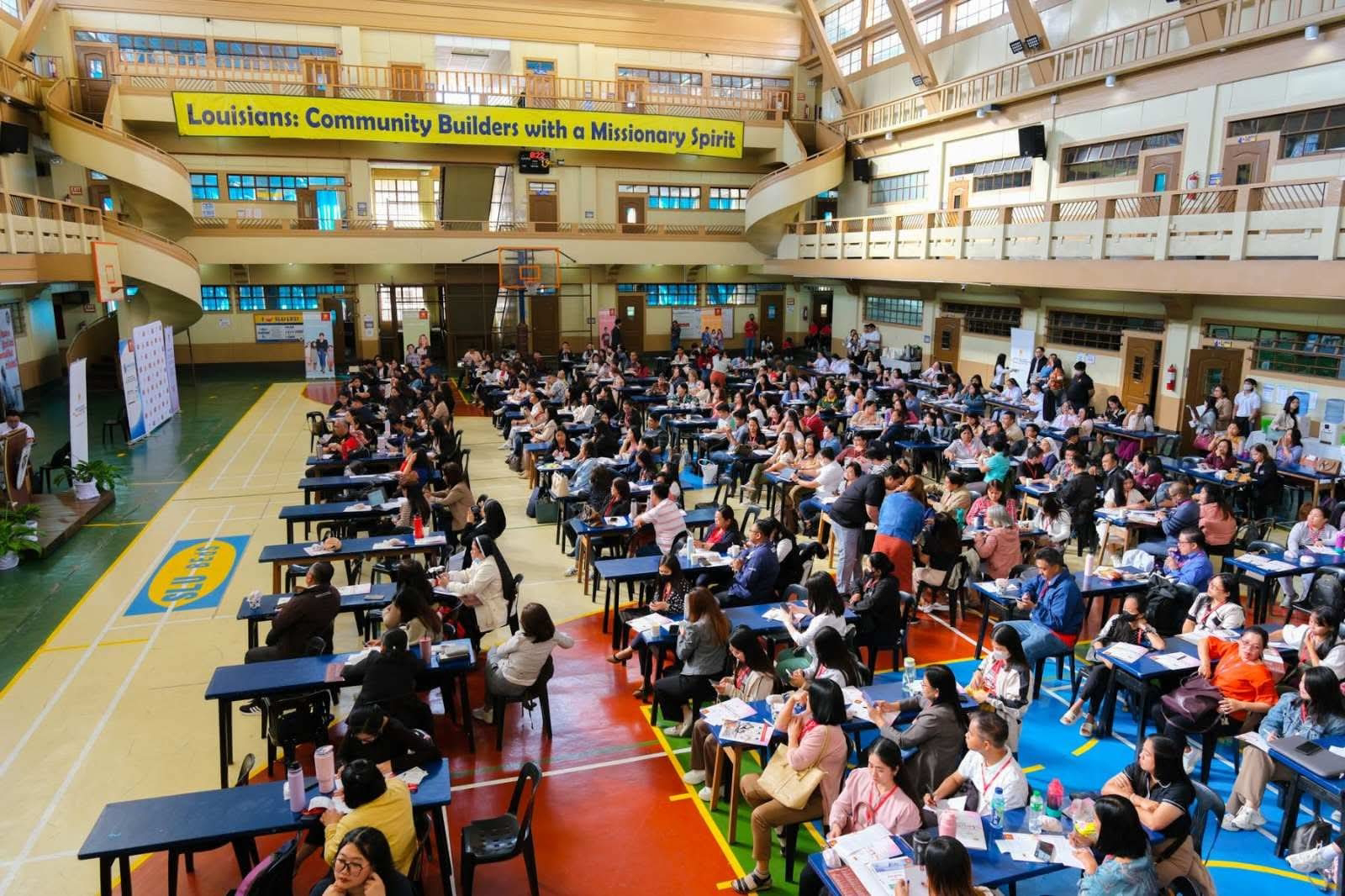
A Transformative 2-Day Learning Journey Across the Archipelago
This year’s regional run, themed “Capacitating the Private Education Sector for the Effective Implementation of the Revised K–10 Curriculum,” aims to ensure that every Filipino learner has access to quality, relevant, and responsive education. The run began in Davao City on February 27–28, hosted by the University of the Immaculate Conception, Bajada Campus, welcoming educators from Regions 11, 12, SOCCSKSARGEN, and parts of BARMM. From there, the initiative traveled across the country through five more major legs: Baguio City – St. Louis University for Regions I, II, CAR, and parts of Region III, Cebu City – Cebu Institute of Technology for Regions VII, VIII, and parts of Region IX, Iloilo City – Angelicum College for Region VI, Cagayan de Oro – Xavier University – Ateneo de Cagayan for Region X, parts of BARMM and Region IX and Muntinlupa City – San Beda College Alabang for Regions NCR, IV-A, and IV-B
Over the 2-day program, participants were provided with the tools and platform to unpack the revised curriculum—not just in theory, but in practical, tangible ways. The first day opened with a plenary session that set the tone for the training—bringing together educators, administrators, and stakeholders to align on the goals and significance of the Revised K–10 Curriculum.
Following this, the second plenary session titled “General Updates on the Revised K–10 Curriculum” provided participants with an overview of the recent changes and developments, focusing on curriculum content and structural updates for the priority grade levels.
From there, participants moved into concurrent breakout sessions, grouped per learning area, for a curriculum walkthrough, where they engaged in two core activities:
● An In-depth Exploration of Learning Standards for Grades 2, 3, 5, and 8, clarifying what students are expected to know and do at each grade level
● Curriculum Unpacking of Learning Competencies for Grades 2, 3, 5, and 8, which involved breaking down each competency into practical, actionable teaching objectives
As the run transitioned into the second day, the focus shifted from understanding the curriculum to implementing it effectively in the classroom. It began with the third plenary session, titled “Evidence-Based Intervention: Focus on Pedagogical Practices and the Importance of Assessment,” highlighting how research-based teaching methods and meaningful assessments can drive better student learning outcomes.
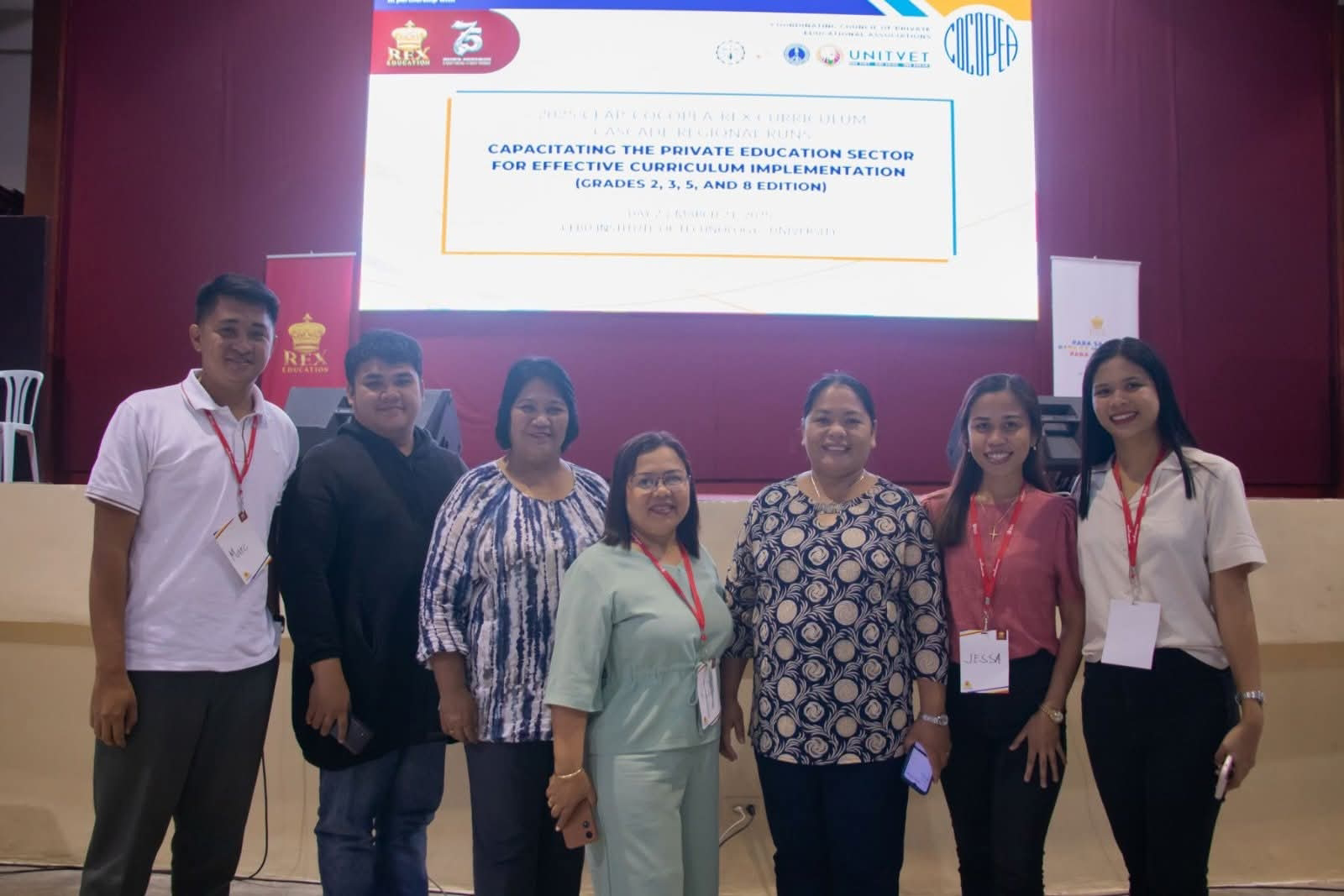
This was followed by morning breakout sessions, again organized per learning area, that explored the Pedagogical Practices that Integrate and Develop Literacy and 21st-Century Skills through theoretical discussions and strategy-sharing. Educators shared strategies and discussed how to incorporate these essential skills into their teaching methods.
In the afternoon, educators participated in a series of hands-on workshops, still within their respective learning areas. These included:
● A workshop on pedagogical practices to further strengthen instruction that fosters literacy and 21st-century competencies
● A theoretical discussion and a workshop on effective assessment and feedback strategies, guiding educators in using assessment not only for grading but also for supporting student growth and reflective teaching.
Anchored in Purpose, Rooted in Legacy
This year’s run is especially meaningful as it coincides with REX’s 75th anniversary—a milestone that honors decades of commitment to supporting Filipino learners, educators, and institutions.
For 75 years, REX has stood not only as a learning solutions provider, but as a katuwang sa buhay—a partner for life, in learning, growth, and transformation. The regional run serves as a continuation of this legacy, reaching out to private schools, listening to their needs, and assisting them in navigating the evolving educational landscape through collaboration and shared learning.
Moving Forward, Together
With COCOPEA, CEAP, REX, DepEd, and countless Edukampyons at the forefront, this movement proves that progress is possible when we lead with collaboration, compassion, and courage. Even in the face of shifting systems and emerging challenges, we can always rise—grounded in legacy, driven by purpose—Para sa bata. Para sa mamamayan. Para sa bayan.
PHOTO CAPTION: School leaders, stakeholders, and educators nationwide take part in the 2025 COCOPEA-REX Regional Run—deepening their understanding and strengthening their readiness for the effective implementation of the Revised K–10 Curriculum, particularly for Grades 2, 3, 5, and 8.


