Showing posts with label #DOH. Show all posts

Friday, December 12, 2025

1Life, Inc. Records 1 Million Patients as its Tech-Enabled Healthcare Network Drives Early Detection and Preventive Care


12 December 2025, Philippines – 1Life, Inc., a Filipino healthcare tech company committed to social impact, has served one million patients through two years of field hospital services and nationwide deployment of its tech-enabled model for primary care. The milestone underscores 1Life’s mission to improve health outcomes and protect Filipinos from preventable illnesses through early detection and timely intervention.

By bringing healthcare directly to local communities, the company delivered fast, connected healthcare across more than 1,261 municipalities and 80 provinces, demonstrating that advanced diagnostics and AI-supported care can operate reliably at scale, even in remote and low-resource settings.

1Life’s integrated healthcare system brings diagnostics, consultations, and medicines together in a single community visit. By combining portable devices, cloud-based patient records, and AI-assisted workflows, the company has shortened what is usually a four-day primary care journey to about one hour. This shift has been especially impactful in rural and geographically isolated areas where access to diagnostic services has traditionally been limited.

Much of the one-million-patient count comes from community medical runs where residents receive essential diagnostics such as CBC, X-ray, ultrasound, ECG, urinalysis, and blood chemistry, followed by physician consultations and appropriate medicines. Patients also come from 1Life Primary Care Facilities, partner clinics using the 1Life Digital Community Healthcare System, and school and workplace health programs supported by local government units and national partners. In 2024 alone, the company served more than half a million Filipinos, with daily deployments of multiple medical teams that used AI tools to manage higher patient volumes without compromising quality.


At the core of these operations is the 1Life Digital Community Healthcare System, which links field missions, clinics, hospitals, pharmacies, and laboratories through a unified digital platform. This ecosystem is strengthened by DocMate AI, trained on hundreds of thousands of Filipino patient records, and the newly launched 1Life Health App, which gives users personal access to medical records, medicine reminders, and accurate health education. These tools generate real-time insights for partners and enable communities to shift from reactive, hospital-centric care to proactive early detection, a central goal of the country’s healthcare reforms.

The milestone also aligns with the Philippines’ goal of strengthening universal health coverage. As an accredited partner of DOH, PhilHealth, LGUs, and the DepEd YAKAP program, 1Life supports efforts to decongest hospitals by bringing early detection and primary care to the community level. Local leaders in remote and conflict-affected areas have reported greater participation in health programs and improved trust among residents who experienced, for the first time, fast and respectful care.

NiƱo Namoco, President of 1Life, Inc., highlighted the company’s mission to provide access to quality healthcare, leveraging innovative technology to prevent complications and streamline health processes for Filipinos, reflecting 1Life’s broader social impact:

“Reaching one million patients is a reminder that accessible healthcare can change lives when delivered with consistency, compassion, and the right technology. Every person we serve represents a family and a story, and we carry that responsibility with humility.” 

He added, “Our goal remains simple. 1Life is dedicated to making quality primary healthcare accessible to all, particularly the underserved communities. Central to our program is the early detection and prevention of diseases, which has enabled us to reach a million patients and further the pursuit of universal health equity. We are grateful to our partners and our team on the ground for making this possible. This milestone is only the beginning.”

1Life’s track record strengthens its position in the Philippine healthtech sector. The success of DocMate AI, the 1Life Health App, and the nationwide field deployments demonstrates that technology-supported primary care can operate reliably in diverse conditions across the country. This establishes 1Life as a trusted partner for groups seeking measurable and scalable healthcare solutions.

To learn more about 1Life, Inc., visit 1life.ph and facebook.com/1life.ph, or download the 1Life Health App on Google Play or the App Store.

Friday, September 26, 2025

VIP Act Signed, DOST to Lead Institute on Virology Research

President Ferdinand Marcos Jr. signed into law the Virology and Vaccine Institute of the Philippines (VIP) Act on September 12, 2025, officially designating the VIP as the country’s premier national institute for virology research and vaccine development under the Department of Science and Technology (DOST). The initiative, led by the DOST, aims to bolster the nation’s  public health defenses and strengthen preparedness for future disease outbreaks.

Following the principles of the One Health Approach, the VIP will spearhead the development of locally made diagnostics, therapeutics, and vaccines targeting  viral diseases and pathogens affecting humans, animals, and plants. Through this initiative, the DOST aims to build stronger public health defenses and improve the country’s preparedness for future disease outbreaks, safeguarding both human health and food security.

“The establishment of the VIP marks the country’s commitment to strengthen local capacities in preparing for and responding to public health threats such as pandemics and disease outbreaks,” said DOST Secretary Renato Solidum, Jr.  “By building our capacities to face these threats, we protect the health and well-being of Filipinos, strengthen our economic resilience, and ensure sustainability,” he added.

Viral diseases that are common in the country, according to the Department of Health, include: Acute Respiratory Infection, Influenza, Chicken pox, Dengue, Hepatitis, and Measles.  The VIP is also able to address viral diseases in animals like the African Swine Fever and Avian Influenza.  In plants, the VIP is developing an early detection system for Tomato Leaf Curl Virus (now classified as Begomovirus coheni), which affects solanaceous cash crops.  The initiative, led by the DOST, aims to bolster the nation’s  public health defenses and strengthen preparedness for future disease outbreaks.

“Viruses are among the fastest-evolving threats to human, animal, and plant health, and we must keep pace with this reality. At present, the Philippines does not have a dedicated institution that focuses on diagnostics, therapeutics, and vaccine development against viral diseases,” said DOST Undersecretary Leah J. Buendia.  “With the growing number of viral infections affecting people, livestock, and crops, the need for a state-of-the-art virology research center has never been more urgent.”

The VIP’s mandate covers a wide range of critical functions. It will undertake discovery programs in virology and related disciplines, conduct vaccine research, and develop diagnostics and therapeutics for viruses and other pathogens. It will also promote evidence-based policies on virology and vaccine science, forge partnerships with local and international research networks, and train and engage experts to build national capacity. In addition, the institute will invest and operate state-of-the-art virology infrastructure while providing technical assistance to support the broader research community.

To ensure a  multidisciplinary and coordinated approach, the DOST will work closely with the Department of Health (DOH), the Department of Agriculture (DA), and other relevant agencies in implementing the institute’s programs. In its first five years, the VIP will focus on strengthening local research  capacities and expanding the country’s  body of knowledge  on virus strains and diseases, laying the groundwork for a more resilient and prepared Philippines.

“With the enactment of the VIP Law, we, at the DOST, are committed to releasing the Implementing Rules and Regulations (IRR) within 90 days. We will also gear up for extensive public consultations to ensure that the law is implemented transparently and inclusively,” said Dr. Jaime C. Montoya, Executive Director of DOST-PCHRD.

Tuesday, April 16, 2024

Fujifilm Philippines Supports Campaign to End TB

Fujifilm Philippines Supports Campaign to End TB

Fujifilm Philippines, a global leader in imaging and healthcare technology, has expressed support for the Department of Health (DOH) and United States Agency for International Development (USAID) in their campaign to end tuberculosis (TB) in the country. 2022 data from the DOH show that around 106 Filipinos die every day from TB, a severe lung infection caused by bacteria.

Fujifilm Philippines is dedicated to the fight to end TB by introducing cutting-edge technologies and innovations. One of the critical contributions Fujifilm has made is providing FDR Xair, a portable X-ray system. This innovative device plays a crucial role in early TB detection by enabling healthcare professionals to conduct rapid and accurate screenings in diverse settings. By deploying portable X-ray systems in areas across the country, Fujifilm is helping bridge healthcare access gaps and improve diagnostic capabilities.

The FDR Xair, well-known for its portability and high image quality, plays a pivotal role in enhancing TB screening efforts, particularly in remote and underserved communities where access to healthcare infrastructure is limited. The FDR Xair, with its portable design and advanced imaging technology, revolutionizes TB screening in remote areas by providing reliable performance, ease of use, and data- driven approaches to TB control.

Fujifilm’s innovative solutions align with the efforts of USAID’s TB Innovations and Health Systems Strengthening project, implemented by FHI 360, to reach, cure, and prevent TB in the country using a whole-of-government approach.

Fujifilm Philippines conducted their first Medical Mission and TB screening using their x-ray systems (FDR nano and FDR Go PLUS) in Majayjay Laguna in 2023. The company plans to continue this program annually and utilize FDR Xair. By working closely with affected communities, local healthcare providers, and grassroots organizations, the company ensures that TB interventions are culturally sensitive, equitable, and sustainable.

In light of the global challenge posed by TB, Fujifilm recognizes the necessity of a coordinated, multi-sectoral approach. The company stands in solidarity with governments, international organizations, civil society, and the private sector to tackle TB head-on, with the shared goal of building a healthier, TB-free future.

Fujifilm Philippines recognizes the urgent need to enhance TB detection capabilities as cases of this infecti
ous disease continue to surge across the country, according to the DOH.As of December 31, 2023, DOH recorded over 600,000 cases of TB, or 549 cases per 100,000 people. This figure is higher than that of 2022, with 439 cases per 100,000 people. Despite its lethality, TB can be cured through free medication provided at TB DOTS clinics nationwide, where patients undergo a six-month treatment regimen without interruption.

Monday, March 18, 2024

HOW FAMILY DEVELOPMENT SESSION (FDS) EMPOWERS FAMILIES AGAINST TUBERCULOSIS

HOW FAMILY DEVELOPMENT SESSION (FDS) EMPOWERS FAMILIES AGAINST TUBERCULOSIS

Families and beneficiaries of the Pantawid Pamilyang Pilipino Program (4Ps) came together to share personal stories of battling tuberculosis (TB) in Empowering Families Against Tuberculosis: Success Stories and Insights from the Implementation of Family Development Session on TB Awareness, an event organized by the Department of Health (DOH), Department of Social Welfare and Development (DSWD) and the United States Agency for International Development (USAID)’s TB Innovations and Health Systems Strengthening Project (TB IHSS) implemented by FHI 360. 

Representatives from the DSWD and the USAID also attended the event held at the Luxent Hotel in Quezon City last March 14 to discuss the wins and learnings from the implementation of Family Development Session (FDS).

One such triumph is the story of the Arimado family. When her daughter Lhian started to experience daily weight loss, frequent chills, and occasional vomiting, market vendor Cecilia Arimado knew something was wrong. During her pre-graduation photoshoot, Lhian suddenly felt weak and unable to stand. Cecilia took her to a clinic in Legazpi, Albay where she was later referred to a health center for further evaluation. There, Lhian received a diagnosis of TB. 

However, it was only through FDS, one of the key components in the implementation of the 4Ps, that Lhian was able to start taking her medications. 

“Ang FDS ang nagbigay daan para sa paggaling ng aking anak (FDS was the key towards the healing of my daughter),” Cecilia said. “Pinagkalooban nila ang aming anak ng mga gamot at bitamina at tinuruan kung paano maalagaan ang aming sarili at ang mga kamag-anak na may tuberculosis. (They gave her medicines and vitamins, and they taught us how to better care for ourselves and for others).” 

Tuberculosis remains a global concern, according to Secretary of Health Teodoro J. Herbosa. 

“TB is a public health emergency and needs concerted action from all stakeholders. We’ve made notable progress in the fight against TB, including finding 2.1 million people with TB,” he said. 

FDS, a continuing education program conducted nationwide, is regarded as an important intervention to fulfill the family development thrust of the 4Ps. It also serves as an arm to strengthen the agency’s capacity to fulfill its role of investing in the human capital of families and children. 

Similar to the Arimados, the story of the Betser family in Zamboanga Sibugay mirrors the initial struggles of many. Despite facing TB in three family members – son Lloyd Vincent, husband Bernard, and daughter Leah – limited income led them to try faith healing and self-medication initially. The wife Arlyn, who was earning P4,000 a month from her job as household help, felt immense pressure during that challenging time. 

Through FDS, they learned the importance of knowing the early symptoms, early detection, diagnosis, and treatment. More importantly, they realized that self-medication could worsen the situation and that seeking professional help is essential. 

After her family recovered, Arlyn requested for a special FDS to be conducted among her co-4Ps beneficiaries in their area. Arlyn shared her story so others like her would learn. 

“Napakalaking tulong ang FDS sa amin dahil nalaman ko kung paano magamot ang TB, paano maiiwasan, at ano ang gagawin para hindi makahawa sa iba (FDS is a big help because we learned how to cure TB, how to prevent it, and how to curb its spread),” she said. 

FDS strengthens the capacities of the family members, particularly the parents, to become more responsive to the needs of the family and their children, to become more socially aware, and to be involved and participative in community development activities. 

“FDS sessions have emerged as a valuable strategy for raising TB awareness within family units, fostering behavioral changes, reducing stigma, promoting community engagement, and ensuring long-term impact in the fight against TB,” said Vilma Cabrera, DSWD Undersecretary for National Household Targeting System (NHTO) and Pantawid Pamilyang Pilipino Program. 

Usec. Cabrera explained that the campaign’s success hinged on several key approaches: community engagement, family-centered interventions, health education and awareness, behavior change communication, multi-sectoral collaboration, and empowerment and capacity building. 

HOW FAMILY DEVELOPMENT SESSION (FDS) EMPOWERS FAMILIES AGAINST TUBERCULOSIS

However, implementing these sessions wasn't without hurdles. The DSWD official acknowledged challenges like limited access to remote areas, stigma, limited resources, and vulnerabilities in the healthcare system. However, through the deployment of mobile health clinics, training of community health workers, establishment of support groups, and numerous partnerships, the agency was able to overcome challenges and achieve its goal of empowering communities against TB. 

Looking forward, Usec. Cabrera further noted the campaign’s long-term potential through sustained community engagement and ongoing family support. Key measures for future success include long-term sustainability, training and capacity building, technology integration, use of digital platforms, community engagement, and continued partnerships and collaboration.

"By implementing these measures, we can ensure sustained community engagement and ongoing support for families beyond the immediate campaign period, maximizing our long-term impact on TB control and prevention,” she concluded. 

For more information about TB, visit healthylungs.ph. The website includes an online self-assessment (https://assessment.healthylungs.ph/) tool to help with TB identification and treatment. It can also be used to check for suspected TB, and locate the nearest health facility. 

Healthylungs.ph is part of DOH's local communication campaign, Para Healthy Lungs and KonsulTayo, which are supported by USAID's TB Innovations and Health Systems Project (TBIHSS). It aims to raise tuberculosis as a public health priority in the country using social and conventional media methods. 


Friday, February 23, 2024

Rise of Dengue Cases Cause for Concern

A person in glasses speaking into a microphone

Description automatically generated

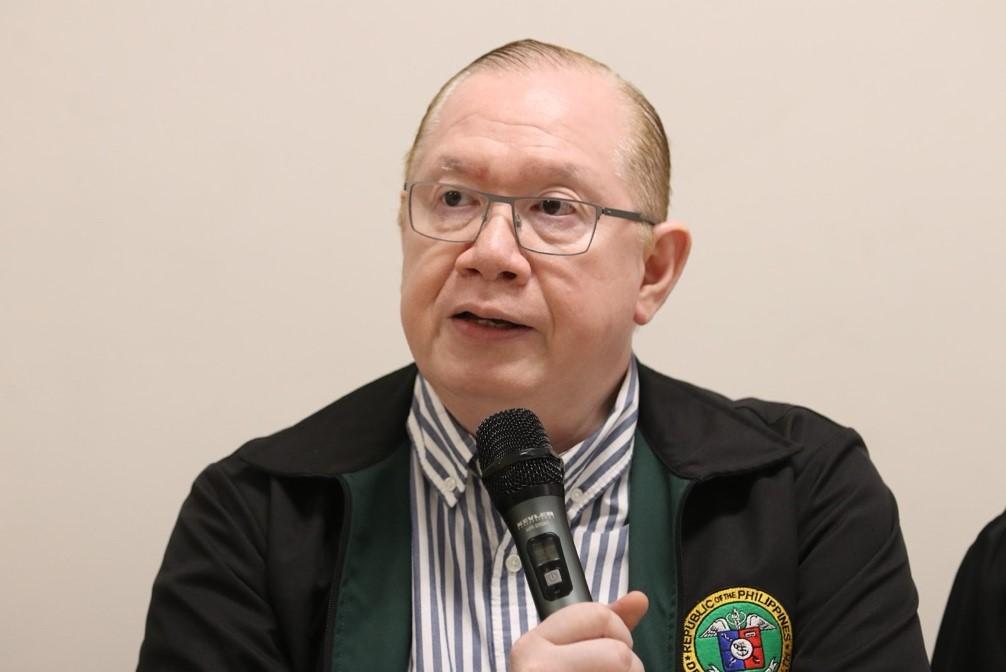
Department of Health Undersecretary of Health for Public Health Services and Chief Information Officer Eric Tayag noted the government agency’s openness to a Dengue vaccine while emphasizing the importance of upholding the "first do no harm" principle.

In the face of the lethal threat that Dengue poses, especially for children, the nation must take collective action and utilize new innovations against the potentially fatal disease. That was the core lesson the country’s foremost public health authorities emphasized at a recent discussion entitled “A Dengue Dialogue: Protecting our Children from the Epidemic” hosted by the Vaccine Solidarity Movement (VSM).  

“My oldest daughter had it 2 times! It was very scary, and I would not want to go through any of that again — but the reality is we are all at risk. Wala pong pinipili ang dengue, bata o matanda, mayaman o mahirap. [dengue can hit anyone, old or young, rich or poor] Ang nakakatakot sa dengue pag akala mo gumaling ang lagnat okay na [what’s scary is, you think it’s better because the fever breaks] BUT that is when it can get fatal. Wag hintayin mawala ang lagnat [don’t wait till the fever breaks], seek medical attention & manage right away.” the event's moderator, broadcaster NiƱa Corpuz-Rodriguez, shared her personal experience. Like Rodriguez, numerous parents are anxiously seeking more effective solutions to safeguard their children against this debilitating disease.     


Signs of the times  


In 2023 a record year for dengue globally, unusually dryly “slow” year for the Philippines for dengue, we ranked third among countries with the highest dengue cases. Looking back at previous years' data, it was discovered that in 2019, which was considered a record year for the Philippines, there were 371,717 recorded dengue cases, resulting in 1,407 deaths. Approximately half of these dengue-related deaths occurred in children between the ages 5 and 9. If the Philippines not been spared from the record year 2023 due to an unusually  dry rainy season, which spared the country from a more severe outbreak, it is estimated that over 1,000 children could have lost their lives to dengue in the same year.  


According to Department of Health (DOH) Undersecretary of Health for Public Health Services and Chief Information Officer Eric Tayag, there is a possibility of an earlier rise in cases due to El NiƱo. However, the severity of the dengue outbreaks this year will depend on the behavior of communities and the effectiveness of control measures implemented.  


So, now there is an urgent need to utilize all available weapons in the existing anti-dengue arsenal in our war against dengue. Failure to do so could result in a devastating outcome, with well over 1,000 children losing their lives when dengue inevitably hits us hard again.  


A whole-of-nation approach for our children

The experts on the panel emphasized the importance of collective involvement in combating this disease VSM Co-Founder Amor Maclang, speaking at the event, urged the entire nation to actively engage in the fight against Dengue, “Public health issues can only be taken on if the private sector, the government, the whole of society takes on the issue.”   


Dr. Benny Atienza, Vice President of the Philippine Federation of all Professional Associations and Immediate Past President of the Philippine Medical Association, cited an example of a collaborative effort involving children and the adults in their lives. He mentioned the development of catchy songs designed to creatively educate children about the disease, enabling them to recognize and effectively communicate symptoms to guardians and medical professionals.  


During the event, Dr. Vicente Belizario Jr., a respected Professor and Former Dean of the College of Public Health at the University of the Philippines Manila, as well as the President of the Philippine Academic Consortium for Public Health, emphasized the crucial role of media and journalists in raising dengue awareness among parents, guardians, and even teachers. He highlighted the significance of education in empowering individuals with knowledge about the disease, its symptoms, prevention methods, and the importance of early detection. Dr. Belizario recognized the media's power to reach a wide audience through television, radio, newspapers, and online platforms, enabling the dissemination of accurate and up-to-date information about dengue..  “Media, we appeal to you to raise awareness sapagkat may kanya-kanya po tayong role para maka-iwas sa dengue [because we each have our own role to fulfill in Dengue prevention]”, said Dr. Belizario Jr., called out. 


A game-changing new weapon  

Dr. Nina Gloriani, former Head of the Vaccine Expert Panel of the Department of Science and Technology (DOST), encourages the public to “move with the times” and take advantage of new discoveries such as next-generation vaccines. One of the next-generation vaccines available on the market today is TAK-003, the only next-generation vaccine that has been licensed for use in more than 30 countries: the European Union (EU), the United Kingdom, Argentina and Countries with dengue epidemiological situations similar to the Philippines such as Indonesia, Brazil and more recently Thailand. 


The TAK-003 is safe to use for everyone, even those who have not previously had Dengue. The vaccine was engineered on a Dengue backbone, unlike the first dengue vaccine in the market. TAK-003 can create immune responses at different levels to all four strains of dengue virus helping to prevent disease and reduce the likelihood of hospitalization in people with dengue fever. The World Health Organization’s (WHO) Strategic Advisory Group of Experts (SAGE) on Immunization recommends a well-designed communication strategy and community engagement along with the vaccine.


Gloriani's words resonated with a powerful sense of hope and optimism as she discussed the implementation of vaccines “Hopefully maidagdag natin yung  [we can add] vaccination. Meron nang mga pagbabago. [There are new developments.] Nakita nyo kung paano natin nagamit ang mga bagong technology [You’ve seen how new technologies were utilized] for COVID and we have a lot of lessons learned from that”, she said. Her message left no room for doubt, a strategic use of vaccines can pave the way for a better future in our fight against dengue – especially in protecting our children.  


Undersecretary Tayag while emphasizing the importance of a meticulous evaluation process, expressed a willingness to consider the introduction of a new vaccine. His statement reflects a balanced approach, acknowledging the need for thorough assessment to ensure the safety and efficacy of any potential vaccine. He said, “So ninilaw lang po namin na nananatiling bukas ang Department of Health. Subalit, katulad ng ginawa namin sa COVID, ito ay may mga pag-aaral na dapat gawin at ito ay aming tinitingnang mabuti sapagkat may responsibilidad kami na kung ito man ay irere-introduce natin, ang aming prinsipyo po ay “first do no harm”. [We want to make it clear that the Department of Health remains open. But just like what we did in the COVID-19 situation, this requires a careful study, and we are looking closely into it because if we will re-introduce it, we have a responsibility to follow our ‘first do no harm’ principle.”  


With an extraordinary triumph over COVID-19 vaccine misinformation, the Philippines has emerged as a global frontrunner, ranking fourth in single-day vaccine uptake and administering a staggering 2.7 million vaccinations in a single day. Dr. Atienza shared this remarkable achievement at the roundtable panel discussion, underscoring the nation's unwavering commitment to public health. Buoyed by this success, the Vaccine Solidarity Movement (VSM) is now spearheading efforts to combat dengue and other vaccine-preventable diseases, further solidifying their dedication to safeguarding the well-being of the public especially for the children.


"We have to turn up the same fervor that we turned on during the COVID pandemic and we have to right now rally behind the objective of the DOH. 95% coverage," echoed Maclang.  


In the face of emerging promising solutions, it is imperative for the nation to fully utilize its arsenal against dengue before the next health crisis emerges and poses a threat to our children. The urgency to take action today is crucial to safeguarding the well-being of future generations.


A group of people standing together

Description automatically generated
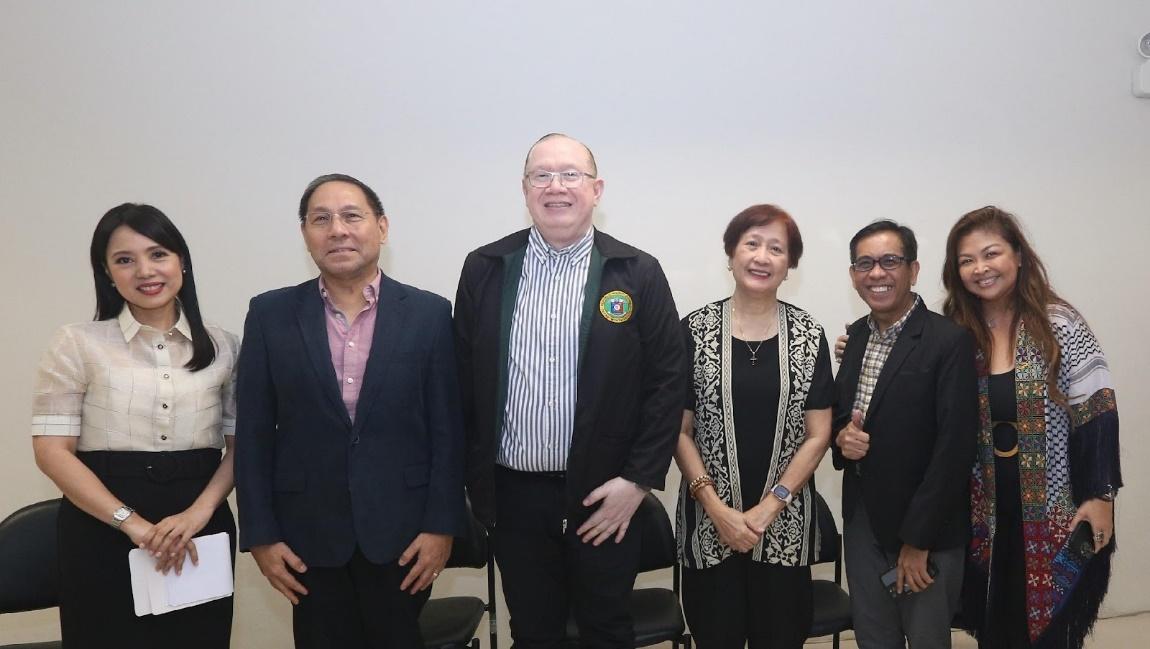
The country’s foremost public health authorities and advocates came together, highlighting the importance of a whole-of-nation approach and embracing new discoveries in the country’s journey against Dengue. (From left to right): Broadcast journalist and mother of Dengue survivors NiƱa Corpuz-Rodriguez, Professor and Former Dean of the College of Public Health of the University of the Philippines Manila and President of the Philippine Academic Consortium for Public Health Dr. Vicente "Jun" Belizario Jr., Department of Health Undersecretary of Health for Public Health Services and Chief Information Officer Eric Tayag, Head of the Vaccine Expert Panel of the Department of Science and Technology (DOST) Dr. Nina Gloriani, Vice President of the Philippine Federation of all Professional Associations and Immediate Past President of the Philippine Medical Association Dr. Benny Atienza, and Vaccine Solidarity Movement Co-Founder Amor Maclang.

Wednesday, December 20, 2023

Pioneering World-Class Health & Wellness Event in January ‘24 Set to Lead the Philippines Globally

A pioneering event promoting the Philippines as a world-class health and wellness destination will have a rerun on January 26-28, 2024, at the SMX Convention Center at the Mall of Asia Complex in Pasay City. 

Dubbed the Health & Wellness CONFEX 2024, the three-day event will gather under one roof the stakeholders of the multi trillion-dollar health and wellness industry – from award-winning wellness resorts to globally accredited hospitals that provide medical tourism packages, all the way to organic farms and specialty shops that offer a wide array of innovative, sustainable and eco-friendly health and wellness products and services. 

With the theme “Go & Get Better,” the event highlights the promotion of regenerative tourism, which, in essence, is a strong call for making the places we visit better than we found them and pursuing economic growth while managing the social and environmental impacts of our visit. The event is, in fact, the centerpiece of a global multi-media campaign that aims to showcase the country’s many health and wellness destinations and will feature an exhibit, a conference, business matching sessions, and various experiential activities. It is considered the the only trade fair in the Philippines promoting health and wellness tourism, products, and services. 

The ConFex will also launch its innovative television travel show-vlog that will allow the viewers to explore the fascinating world of health and wellness amid the breathtaking natural wonders of the Philippines. Called OTW, the acronym for “On Travel & Wellness,” it will take viewers on a virtual trip to the country’s many tourist spots while highlighting, at the same time, the importance of wellbeing, of keeping healthy and safe while leading an active lifestyle. The 13-episode show will provide stunning views of the sun-kissed beaches, magnificent dive sites, towering mountains and verdant woodlands that the Philippines is famous for, and it will also provide an in-depth look at the country’s diverse wellness practices – including traditional healing arts – through compelling anecdotes and discussions with regional experts. OTW will air on GMA 7’s GTV. 

On its third day, the event will likewise hold a Wellness Festival called Masigabo with various programs and activities that pay tribute to the industry and sacrifices of the migrant workers, better known as overseas Filipino workers (OFWs). On hand activities are designed to make them feel better, relaxed and loved. Health and wellness experts will also deliver talks about financial health, physical wellness, beauty, sustainability, environmental protection, government regulations, and more.

Health & Wellness CONFEX 2024 is co-presented by the Department of Tourism (DOT), in partnership with the Department of Health DOH), Department of Trade and Industry (DTI), Philippine Coconut Authority (PCA), Tourism Infrastructure and Enterprise Zone Authority (TIEZA), Duty Free Philippines (DFP), and Tourism Promotions Board (TPB). 

The event is likewise supported by the following: 

Sponsors: Lifecore Bio Integrative Inc., Dean and Deluca Philippines, The Zen Institute, Enjoy Health, Aba Padres Hydroponics, Conrad Manila; 

Event Partners: Philip Dizon, Ark of Dreams, Market Social, Tourism Congress of the Philippines, Wellness Tourism Association of the Philippines, Philippine Green Building Initiative, SMX Convention Center, IQ Capture Printing Corporation, and DigitalCircles; 

Media Partners: GMA Network, ABS-CBN Corporation, GMA 7 GTV, Aliw Channel 23, Business Mirror, and DOOH PH 

The Health & Wellness CONFEX is spearheaded by a team of seasoned event organizers, wellness advocates, travel & tours agencies, and marketing & communication professionals, as headed by the country’s wellness guru, Cory Quirino, its Executive Director. 

For any inquiries or to participate at Health & Wellness CONFEX 2024, you can reach its Secretariat by email at secretariat@wellnessconfex.com or by phone at 09277227670 (attention: Sarah Timonera).

- - end - -


PRIMER

January 26-28, 2024

SMX Convention Center 

Mall of Asia Complex, Pasay 

City, Philippines 

The Health & Wellness CONFEX  is the only international B2B2C  trade fair, sourcing platform,  business matching, knowledge  exchange, and brand showcase  exclusively focused on  sustainable wellness & lifestyle  products and services with one  objective of promoting the  Philippines as a world-class destination for health & wellness. It was launched in  partnership with the Philippines'  Department of Tourism and the Tourism Promotions Board in  April 2018 at the Arabian Travel Market (ATM) in Dubai, UAE, the biggest travel show in the Middle East, alongside a festivity for Filipinos dubbed as "Kabayan Fiestahan." 

The event was held in 2019 at the SMX Convention Center participated by key players in the wellness & medical tourism sectors and by various related industry stakeholders. It is considered the pioneer and the only trade fair of its kind in the Philippines. 

A series of webinars dealing with the virus and health & wellness, in general, took the place of this modest wellness tourism campaign during the pandemic, together with the television program “Graceful Living” aired on ANC Channel and hosted by Cory Quirino, focusing on the hows and whys of healthy living. 

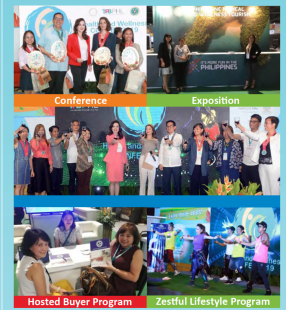
The 2024 event will even be a greater version with the following segments: ● Conference and Exposition (ConfEx) on January 26-28, 2024 at SMX Manila ● On Travel & Wellness (OTW), a TV-Vlog Travel Show on GMA 7's GTV ● Philippine Wellness Festival dubbed Masigabo in honor of Filipino Migrants


2024 Theme: Go & Get Better: 

Regenerative Tourism 

Recharges All” 

With its theme “Go & Get Better:  Regenerative Tourism Recharges  All”, this event will raise  awareness of the criticality of traveling with a mission to contribute to regenerative tourism. It urges everyone to be cognizant in having more purposeful intentions as they travel. Embracing a contributive mindset to support regenerative tourism enables us to help communities & tourist sites recover and progress as we explore them. 

Go & Get Better Metaverse 

AppPowered by Ark of 

Dreams (AOD) 

The Health & Wellness 

CONFEX 2024 is supported by 

Ark of Dreams (AOD), a technology company that levels up brand user’s experiences with its interactive rewards platform, allowing the customers in engaging quests to redeem rewards from partnered brands. By downloading the “Go & Get Better Metaverse App”, the visitors at the Media Launch and at the ConFex proper will be asked to explore the attractions or exhibitions, take part in the described quests, and earn points that entitle them to getting the rewards from the participating exhibitors. 

“Go & Get Better”: The Deca-Wellness Tenets 

The idea of taking responsibility not only for one’s own well-being but that of a community and nature may be challenging, if not down-right daunting. For this reason, the Health & Wellness CONFEX with its “Go & Get Better” campaign has come-up with a lifestyle guide to wellness that is easy to understand and follow. Dubbed The Deca-Wellness Tenets, 10 key steps towards a better you and a better world are propounded for people to observe.




 Why Support This Noble Initiative 

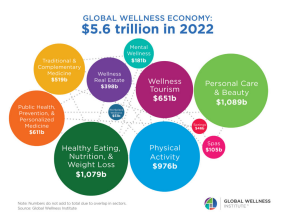
The global wellness economy  according to Global Wellness  Institute was valued at US$4.9 trillion in 2019. It slowed down to US$4.4 trillion in 2020 due to the  widespread impact of COVID-19  pandemic. In 2022, the industry  posted US$5.6 trillion, and is  predicted to grow by an average of  9.9% per year to reach nearly US$7.0 trillion in 2025. 

In 2020, the Philippines ranked 

#21 in the Global Wellness Economy Country Rankings, behind our ASEAN neighbor Indonesia (#19), but ahead of Thailand (#24), Malaysia (#26), Vietnam (#33), Singapore (#44), Myanmar (#71), Cambodia (#85), and Laos (#113). This shows that the country has the potential to rank among the Top 10 Wellness Economy Markets soon with the strong support of the government and the collective efforts of the private stakeholders. 

 

“On Travel & Wellness” (OTW)

OTW is an innovative television 

travel show-vlog that takes the 

viewers on a fun, vibrant, and 

informative virtual trip to the 

country’s breathtaking tourist 

spots while highlighting the 

importance of well-being, 

maintaining health, and staying 

safe while leading an active life. 

Apart from captivating the viewers 

with stunning views of the sun-kissed beaches, magnificent dive sites, towering mountains, and verdant woodlands that the Philippines is famous for, it also takes an in-depth look at the country’s diverse wellness practices – including traditional healing arts – through compelling anecdotes and discussions with experts. In short, OTW shows how travel can be a way to refresh, revive, and bring back balance and harmony to one’s life. This 30-minute, 13-episode show will be aired on GMA 7's GTV.
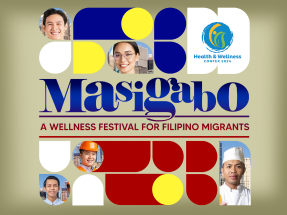


The Philippine Wellness Festival: "Masigabo" 

The Philippine Wellness Festival 

dubbed "Masigabo" is a 

celebration of life, love, 

togetherness, and family. 

Envisioned to be a campaign for 

Filipinos to start living a healthy 

lifestyle, it is a program educating 

the people on the basics of a 

healthy lifestyle, like eating the 

right food, getting enough sleep, 

and doing simple exercises, 

among others. The expected 

result of this campaign is 

“wellness of community” where love abounds and people grow as one happy individual. Forming part of the Health & Wellness CONFEX, "Masigabo" pays tribute to Filipino Migrants in recognition of their sacrifices and contributions to strengthening our economy and securing the well-being of their families back home. “Masigabo” is a Filipino word for loud and hearty that is often used in the phrase “masigabong palakpakan”, which means a loud and cheerful round of applause - and that is exactly what Filipino migrant workers, better known as Overseas Filipino Workers (OFW), deserve. Aptly referred to as the Philippines’ new heroes, OFWs have for years been faithfully sending money to their families back home, which immensely contributed to the Philippine economy with their remittances reaching US$36.14 billion in 2022 alone. 

Our vision is to reach out to as many Filipino migrants as we can beyond Philippine shores through a wellness tourism roadshow, a global campaign that seeks to promote the country as a world-class health and wellness center. With so many Filipinos living, residing, or working abroad, "Masigabo" seeks to encourage our Filipino migrants to become our country's active tourism ambassadors to help speed up realizing our goal.