Wednesday, September 10, 2025
Connecting the Unconnected: Eastern Advances Inclusive Education Through Connectivity and Digital Literacy Efforts
Wednesday, August 13, 2025
Bringing Reliable Connectivity to More Communities: Eastern Communications Furthers its Reach in Mindanao
Monday, June 23, 2025
Eastern Communications Ramps Up Activities for 2025 National ICT Month
Thursday, April 25, 2024
A School Renovation Project Amplifies the Potential of Deaf Community
Being hearing-impaired is a challenge in itself, navigating a world where communication relies heavily on spoken words.
In the Philippines, this challenge further creates a gap, as opportunities for the deaf are limited, particularly in education and employment. The struggle is intensified as only a few secondary learning institutions are catering to their unique needs, with affordability and facility conditions further hindering their pursuit of skills and knowledge.
A personal advocacy
Shery Funcion, the Principal of the Philippine School for the Deaf (PSD) in Pasay City, is no stranger to these challenges.
Her dedication to the cause began with her college thesis, focusing on job opportunities for deaf learners. Since then, she has immersed herself in various organizations and volunteer activities, gaining firsthand insights into the limited opportunities available to deaf learners.
She eventually became a SPED teacher, before taking on the role of principal in PSD.
"The immersive experience really showed me how important these projects are for our students—kung gaano kahalaga ang pagbibigay ng mga pasilidad sa mga mag aaral lalo na sa mga bingi," she underscored the importance of providing facilities for students with hearing impairment.
A facility that produces opportunities
The collaborative project of the Henry Sy Foundation, SM Foundation (SMFI), and the Department of Education's Schools Division Office of Pasay City equips students with in-demand skills that will prepare them for employment upon graduation.
In the century-old PSD, their senior high school laboratory building serves as the training ground for students. Its classrooms and halls, no matter how old, have always played their role in honing and preparing deaf students to have solid career prospects after PSD.
Amidst the competing priorities within the school and the broader Philippine educational system, the facility barely had enough funds for the rehabilitation and major repairs it needed. For years, students and teachers worked around issues ranging from dim lighting and leaking roofs to uneven floors. These not only presented structural concerns but also hindered the overall learning experience of students.
"Our deaf learners need special accommodation to fulfill their special educational needs. They need to have a conducive learning environment so we can optimize the activities and learning programs," Funcion stressed.
Funcion further shared that the 2023 collaborative project of the Henry Sy Foundation, SM Foundation (SMFI)—the social good arm of the SM Group, and the Department of Education's Schools Division Office of Pasay City could not have come at a better time.
"The rehabilitation of the Home Economics (HE) laboratories is crucial because students need to fulfill their performance tasks. These are vital components of our senior high school program to ensure that they acquire essential skills and competencies for employment post-graduation from PSD."
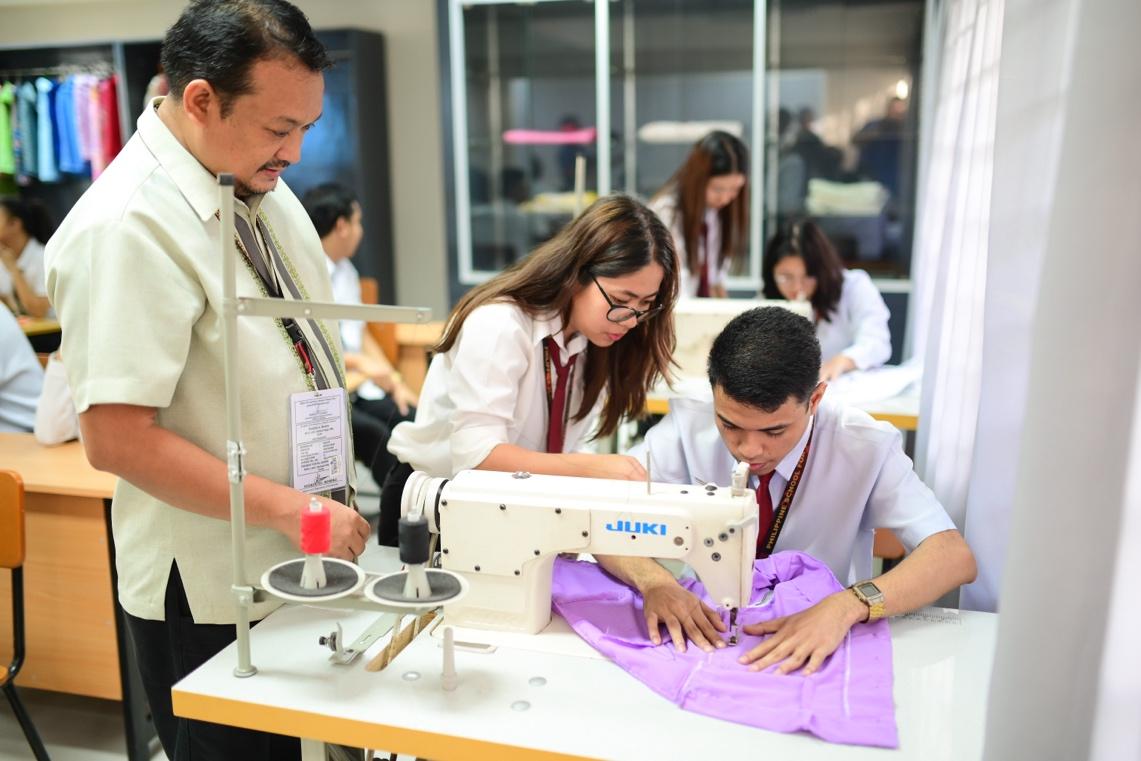
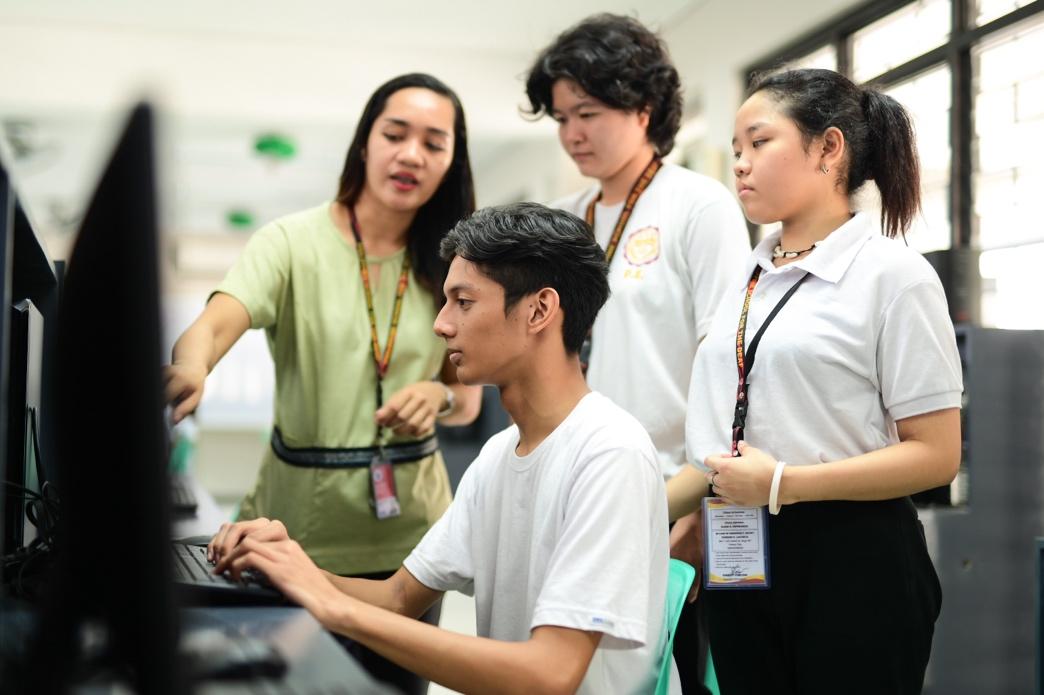
Through the collaboration, PSD has been provided with the much-needed facilities in dressmaking, beauty care, cookery, electrical, bartending, food and beverage preparation, ICT, and dance.
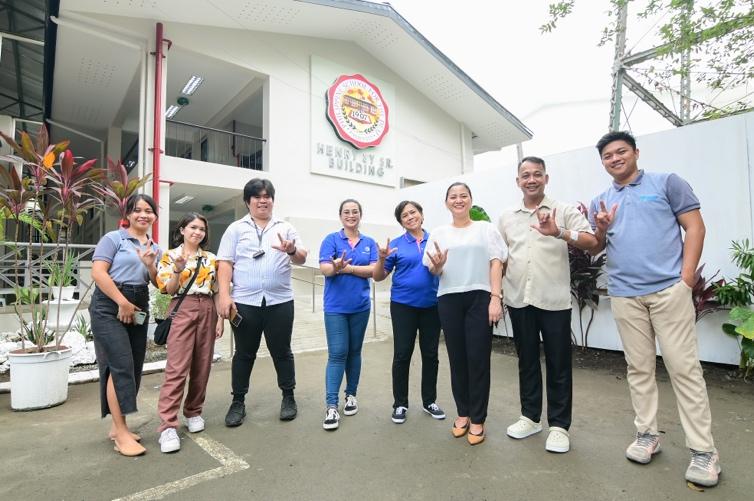
For Funcion, their Henry Sy. Sr. building serves as a great beginning that will help pave equal opportunities and create a future where deaf students’ abilities will shine within and beyond the four walls of classrooms.
Through the collaboration, PSD has been provided with the much-needed facilities in dressmaking, beauty care, cookery, electrical, bartending, food & beverage preparation, ICT, and dance.
Tuesday, April 23, 2024
Henry Sy Foundation Promotes Inclusive Education
The Philippines’ Magna Carta for Disabled Persons ensures the rehabilitation, self-development, and self-reliance of persons with disabilities. The country provides educational assistance to people with disabilities from primary to tertiary education, including vocational or technical training.
One such school is the Philippine School for the Deaf (PSD) in Pasay City. For over a century, the school had demonstrated the transformative power of education in empowering and unlocking the capabilities of those with diverse disabilities to live fulfilling lives.
Though standing as a testament to the Philippines' long-standing commitment to differently-abled education, the school, one of Southeast Asia's oldest institutions for the deaf, suffers from the effects of time and wear, compromising its ability to fulfill its mission.
The school lacked basic facilities and accessibility features: converted classrooms, timeworn corridors, limited space for vocational training, inadequate furniture, dilapidated walls and ceilings, broken tiles and faucets, and dim lighting. It was also prone to flooding due to drainage problems, and it had only one functional toilet with a broken door infested by termites.
Revitalizing a legacy
In a transformative partnership, the Henry Sy Foundation, SM Foundation (SMFI), and the Department of Education's Schools Division Office of Pasay City joined forces to breathe new life into the Senior High School building and a four-story, 12-classroom structure. This initiative, executed under the DepEd's adopt-a-school program, stands as a testament to the power of collaboration in revitalizing educational infrastructure for the benefit of the community.
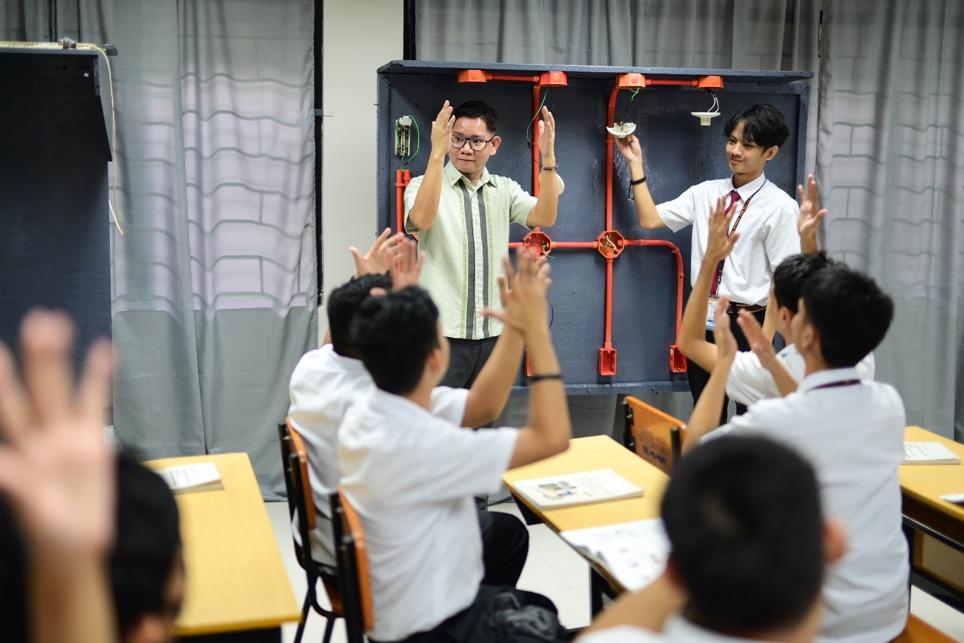
Teachers conduct lectures on electronics in a more conducive laboratory after the rehabilitation of the school building
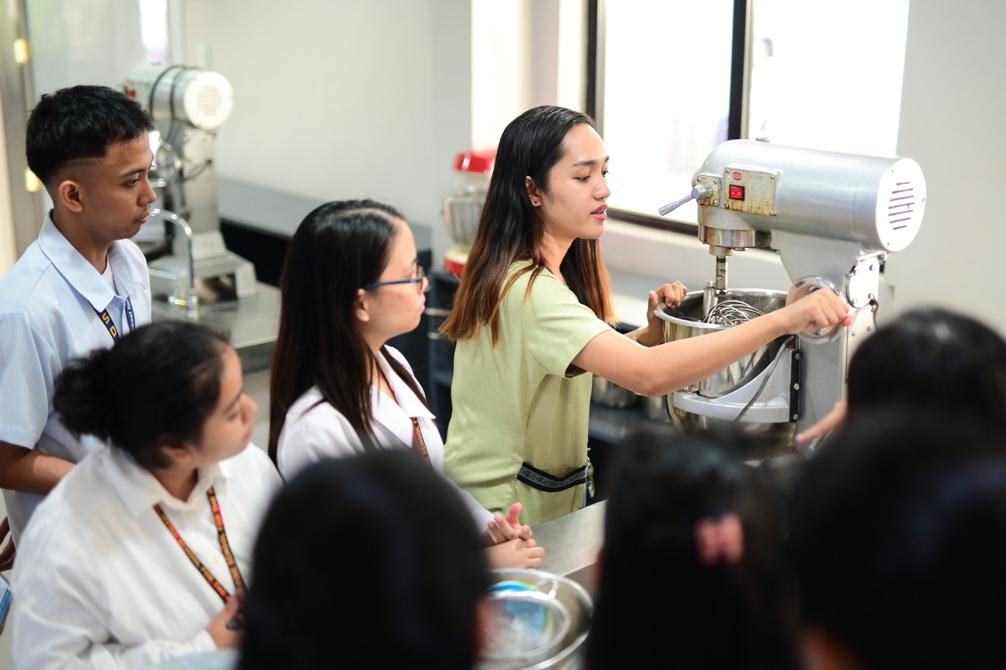
Previously hindered by infrastructural limitations, the century-old school now features enhanced learning spaces dedicated to various subjects, including dressmaking, beauty care, cookery, electrical, bartending, food & beverage preparation, ICT, and dance. A dance studio with a dressing room and a conference room were also refurbished.
Through the social good collaboration, the laboratory for baking and cookery has been equipped with new tools and furniture, helping conduct more hands-on classes.
To enhance safety and accessibility, ramps and railings were installed throughout the campus, ensuring ease of movement for all students. Aside from revitalizing 10 classrooms, the SM group also refurbished the conference rooms, and the lobby with a reception area to provide a comfortable environment.
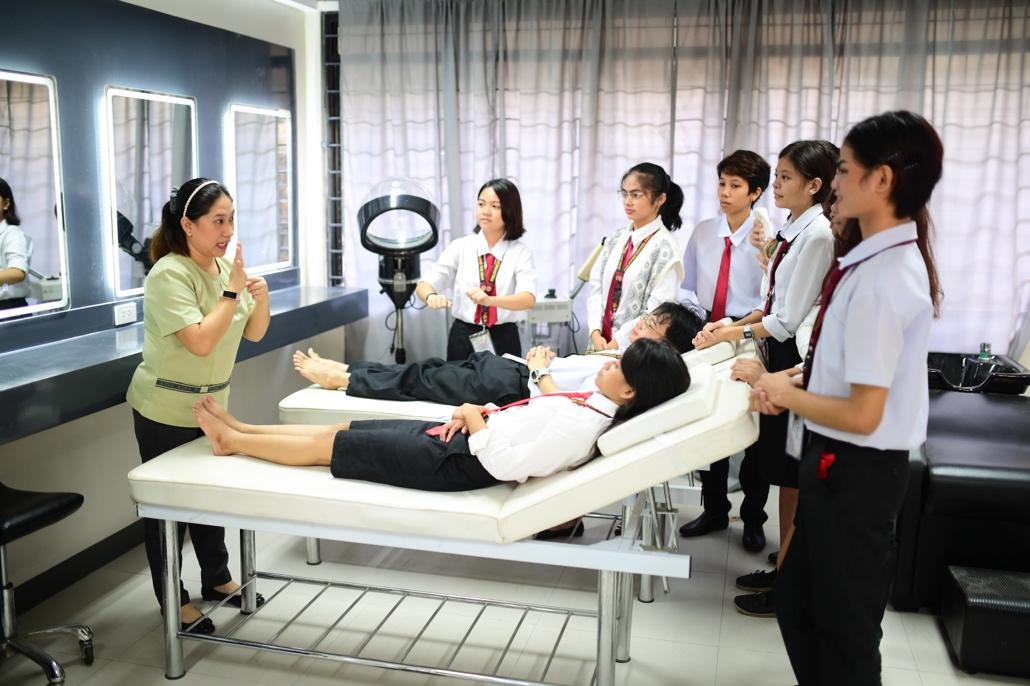
Differently abled students from PSD focus as they attend their beauty and cosmetology class in their new building.
Helping instill good hygiene and encourage healthy habits, a handwashing station, and separate male and female toilets were rehabilitated with clean, functional cubicles, urinals, and PWD-friendly facilities.
The covered court was restored with a spacious stage, creating a conducive space for outdoor learning and recreation.
The rehabilitation of the facilities at the PSD was undertaken, not just to address the physical challenges but also to cultivate an environment where every student can thrive. The project stands as a testament to the SM and Henry Sy Foundations’ continued pursuit of inclusivity and its commitment to empowering differently-abled individuals through education.
SM Foundation school building program head Juris Soliman and SMFI Project Supervisor Ar. Caren Lopez (fourth and fifth from left) with PSD Principal Shery Funcion and SDO Pasay City SGOD Sylwyn Tenorio (sixth and seventh from left) with the team behind the school’s refurbishment.
Wednesday, April 3, 2024
Eastern Communications Marks 30 Years of Philippine Internet, Leading Innovations and Inclusive Connectivity
Manila, Philippines — As the Philippines marks the 30th anniversary of the Internet in the country, Eastern Communications, a pioneering telecommunications company with a rich 145-year history, proudly celebrates this significant milestone alongside the nation. With a long-standing commitment to providing inclusive and reliable internet connectivity and ICT solutions, Eastern Communications reaffirms its dedication to being a Partner in Progress for every Filipino.
The internet's journey in the Philippines began on March 29, 1994. This significant step into the digital age was made possible through the collaborative efforts of private and government institutions. This groundbreaking achievement laid the groundwork for the Philippines to join the global internet community that transformed communication, education, and businesses across the nation.
Since the internet's inception in the Philippines, Eastern Communications has been at the forefront of technological innovation, ensuring that communities across the nation have access to the tools and resources needed to thrive in a digital age. As we celebrate three decades of internet connectivity, Eastern Communications is more committed than ever to delivering groundbreaking solutions that meet its customers' evolving needs.
"In a world where the internet has become a cornerstone of daily life, Eastern Communications is honored to have played a pivotal role in the digital transformation of the Philippines," said Edsel Paglinawan, Vice President and Head of Product and Innovation of Eastern Communications.
"Our journey over the last 145 years has been marked by a relentless pursuit of excellence and innovation. As we celebrate this milestone, we are excited to continue our mission of connecting Filipinos and empowering communities through advanced and reliable ICT solutions,” he added.
Testament to this is the company’s continued expansion efforts and the completion of its latest Philippine Domestic Submarine Cable Network (PDSCN) Express Route, a joint venture project of Eastern Communications, Globe Telecom, and Infinivan Inc., aimed to bridge the digital divide and foster a more connected society.
Bolstering innovative solutions and sustainable digital transformation nationwide, Eastern has maintained longstanding partnerships with the Philippine Network Operators Group (PHNOG), alongside other digital and carrier organizations.
Additionally, the telco actively engaged with Filipino communities, offering free internet access through the MNLKonek kiosks in Manila, and donating routers to universities and Mayon Volcano evacuees in Albay, Bicol, thus expanding support and connectivity to underserved areas.
"Eastern Communications’ vision extends beyond providing superior internet services. We are deeply committed to being an integral part of the nation’s progress, ensuring that every Filipino has the opportunity to benefit from the digital revolution," added Paglinawan
As Eastern Communications looks to the future, the company is excited to unveil new technologies and partnerships that will continue to shape the digital landscape of the Philippines. With a steadfast commitment to innovation, inclusivity, and reliability, Eastern Communications is poised to lead the way in creating a more connected and digital Philippines for generations to come.
To learn more about Eastern Communications’ products and services, contact 5300-7000 or visit www.eastern.com.ph.
Friday, March 22, 2024
The New Architects of Tech: Three Female Leaders Creating a More Inclusive Industry
Manila, Philippines — In an era of rapid technological advancement, women are challenging the status quo, redefining innovation, and promoting inclusivity in the industry. Their contributions, from research and development to leadership, demonstrate that women are essential drivers of technological progress and diversity.
According to a Boston Consulting Group study, only 35% of the tech workforce in the Philippines comprises women, despite having the highest number of women technology graduates in the Southeast Asia region (48%). The disparity of opportunity and gender-based discrimination in the workforce is still prevalent despite years of advancing the rights and welfare of women in a male-dominated sector—or perhaps in society.
Amidst the challenges, these three leading ladies are helping forge a path for future female innovators to make their mark in the technology landscape.
Progression Towards a Digital Philippines
Emmy Lou Versoza-Delfin, Director IV for ICT Industry Development Bureau at the Department of Information and Communications Technology, brings a fresh perspective on the role of government in accelerating the country's digital transformation. With 25 years of forwarding the local ICT industry, Delfin is at the forefront of initiatives to ensure that technology serves as a catalyst for empowerment and equal opportunity for all Filipinos, especially women in the tech sector. Some of these initiatives include promoting diversity in leadership, creating safe and inclusive workplaces, offering training and skill development programs, and opportunities for networking and community-building.
"As a woman leader supporting the tech industry, my motivation stems from the belief that diversity in leadership drives innovation and inclusivity in the digitalization process. The DICT and the local tech industry are actively taking steps to create a more inclusive environment for women. Overall, these efforts contribute to creating a more inclusive and supportive environment where women can thrive and contribute meaningfully to the advancement of technology and innovation," Delfin emphasized.
“Remember, you have the power to shape the future of technology and make a positive impact in the world. Keep pushing forward with determination, resilience, and confidence,” she added.
Leading in Innovation: The Path Forward
This evolving narrative of female leadership in technology serves as a bridge to similar progressions in adjacent sectors, illustrating that the momentum of change can happen anywhere. We witness a parallel beacon of female leadership in Rosemarie Ong, Senior Executive Vice President and Chief Operating Officer of Wilcon Depot Inc. Under Ong's stewardship, Wilcon Depot Inc. has embarked on an ambitious digital transformation journey, setting new standards in the retail and construction supply industry.
Recognizing the critical importance of keeping pace with technological trends, Ong has spearheaded initiatives such as the VR Store Experience and the development of MyWilconApp, which have revolutionized customers' interactions with Wilcon's vast product offerings. Ong's vision extends beyond enhancing customer experience; it's about creating a ripple effect of empowerment and inclusivity. "By investing in women, we foster an inclusive society—transforming the landscape of business competitiveness and productivity," she asserts.
An Inclusive and Thriving Workplace for Women
Historically dominated by male leadership, the tech sector is witnessing a remarkable shift towards gender inclusivity and diversity, thanks to visionaries like Atty. Aileen Regio, co-coordinator of Eastern Communications. With a steadfast belief in the power of innovation and the vital role of women in tech, Regio has been at the forefront of Eastern Communications' transformation.
Her leadership during the challenging pandemic has not only steered the company towards embracing ICT solutions but has also showcased the indispensability of female leadership in driving technological advancement and organizational change. “Time has truly changed for the better. I want to encourage more women to take the lead and showcase their talents and capabilities,” she highlighted.
At Eastern, Atty. Regio commits to be a transformative force not just in breaking barriers for women tech innovators, but also in spearheading innovation and adapting to the evolving digital era, “I firmly believed that embracing innovation was best for the company and would benefit our people.” Her seven years of visionary leadership have not only advanced Eastern Communications' position in the telecommunications industry but have also exemplified a broader movement towards inclusivity and progress.
Looking towards the future, Regio envisions a tech industry where women are not just well-represented but are steering the path toward innovation. "I dream that women in tech will thrive, driving innovation and leading change," she stated. With initiatives focused on diversity and gender equality, such as the full implementation of the Anti-Sexual Harassment Act and Safe Spaces Act in the workplace and equal capacity-building opportunities, Eastern Communications is committed to making this vision a reality, paving the way for a more inclusive and equitable tech landscape.
The technology industry is changing. Despite the challenges, there's a growing recognition of the need for gender equality and the invaluable contributions women bring to the tech scene. From leadership roles to groundbreaking innovations, women are proving indispensable in pushing the boundaries of what's possible in tech.
The message is clear: the future of technology is not just digital—it is unequivocally inclusive. As we navigate the complexities and competitive tech scene, women will thrive and leave their mark in the world.
To learn more about Eastern Communications’ women-led programs and services, contact 5300-7000 or visit www.eastern.com.ph.
Friday, February 16, 2024
Eastern Communications Activates Submarine Cable PDSCN 'Express Route,' Improving Reliable Connectivity in Typhoon-Prone Regions
Manila, Philippines — Eastern Communications has completed its "Express Route'' project as part of the Philippine Domestic Submarine Cable Network (PDSCN) joint venture, enhancing the Philippines' connectivity reliability. This initiative aims to provide robust and inclusive internet connectivity, with a focus on improving services in regions frequently affected by typhoons and natural calamities.
The PDSCN Express Route became operational on February 9, encompassing the following points: Lucena City, Quezon; Boac, Marinduque; Calatrava, Tablas Island, Romblon; Roxas City, Capiz; Placer, Masbate; Palompon, Leyte; Lapu-Lapu, Cebu; Talisay City, Cebu; Tagbilaran City, Bohol; and Cagayan de Oro City, Misamis Oriental.
With the PDSCN Express Route active, Eastern Communications is ready to facilitate on-ground connections and offer improved bandwidth to meet the varied needs of Filipinos, particularly in areas prone to cable faults, typhoons, and natural disasters.
"We celebrate the completion of Eastern’s PDSCN Express Route with all Filipinos. Together, we welcome a new era of possibilities and build a more reliable connectivity infrastructure for all," said Delfin Lopez, Eastern Communications’ AVP and Head of Network Planning, Engineering and Implementation.
The PDSCN Express Route is a 1,000-kilometer network of submarine and terrestrial fiber optic cables connecting South Luzon, Visayas, and Mindanao. The route was strategically designed to be composed of at least 80 percent of cables laid via submarine and less than 20 percent of cables laid in-land. By minimizing the terrestrial fiber network, the Express Route aims to reduce the likelihood and frequency of network faults caused by cable cuts on road networks.
“While roadwork development is in place in these areas, the completion of the PDSCN Express Route becomes pivotal in laying a solid groundwork for a more reliable connectivity and driving digital empowerment nationwide," said Eastern Communications’ PDSCN Consultant Albert Tuason.
The entire PDSCN initiative, which commenced last July 2022 in Subic, Zambales, has been a collaborative effort with co-owners Globe Group and InfiniVAN Inc., and spans a total cable distance of 2,500 kilometers, with landing cables established in 32 Point of Interconnect (POI) sites.
As the PDSCN initiative continues to unfold, it holds the promise of transforming the digital landscape of the Philippines, paving the way for a more connected and resilient nation.
Building a digitally empowered Philippines
The PDSCN project was among the infrastructure and product expansion efforts recognized in Eastern Communications' winning entry at the 2023 Asian Telecom Awards entitled “Eastern Communications Strengthens Infrastructure & Product Portfolio to Swiften Digitalization of Philippine Businesses.” The winning entry underscores Eastern's support for digitizing cities and urban centers primed for rapid growth and opportunities. The entry won the B2B Client Initiative of the Year.
Furthermore, Eastern Communications was honored with the Philippines Customer Experience of the Year award in the Telecommunications category at the 2023 Asian Experience Awards. Emphasizing its dedication to meeting customer needs and delivering "high-tech and high-touch service," the company aims to replicate its unparalleled and authentic customer experiences as it expands its presence nationwide.
To learn more about Eastern Communications’ business-grade internet and ICT solutions, contact 5300-7000 or visit www.eastern.com.ph
Thursday, November 23, 2023
PLDT, Smart Vow to Continue Transforming Lives with SWEEP
PLDT and its wireless unit Smart celebrated its 20th year promoting technology and innovation with the Philippines’ colleges and universities with the Smart Wireless Engineering Education Program (SWEEP).
“We recognize how conscious today’s youth are of the world they live in. They want to have a hand in shaping their own future and that of the world’s. We hope to help them reach these goals through SWEEP,” said Stephanie V. Orlino, AVP and Head of Stakeholder Management Team at PLDT and Smart.
By promoting a culture of innovation among schools and universities and encouraging more Filipino students to get into Science, Technology, Engineering, and Math or STEM and ICT-related courses, SWEEP also aims to bring long-lasting impact to communities through technology.
SWEEP also paved the way for Innovation Generation (InnoGen), an innovation grant program for tech-savvy college and senior high school students who strive to become digital changemakers.
Team SenOptica from Talavera Senior High School in Talavera, Nueva Ecija, one of the winners from InnoGen’s latest season, shared how present and emerging technologies led them to develop their product, a wearable sensor-based assistive device for people with visual impairment.
"Their stories became the driving force behind our human-centric approach to innovation, emphasizing the importance of empathy in our work. It was in these moments that we realized that innovation is not just about technology; it's about understanding the needs of the people we aim to serve,” said 18-year-old Angel Hannah Rayo, SenOptica Developer.
“PLDT and Smart helped us transform our idea into a real-world solution that could truly make a difference in people's lives, especially for people with visual impairment,” she added.
22-year-old Prince Ramirez of Wesleyan University Philippines also shared how PLDT, and Smart enabled them to develop TARALIBOT to bring long-lasting impact.
“TARALIBOT aims to empower local and indigenous merchants, who often lack marketing resources, by giving them an online platform and helping them reach a larger audience to bridge this gap. We hope to bring change where local business are given equal opportunities to thrive in the digital economy,” said Prince.
Through the years, the PLDT Group has underscored the value of inclusive learning and industry-academe linkages like SWEEP, particularly to promote STEM education in the country. This commitment also supports UNSDG #4: Quality Education and is aligned with the vision of the Philippine Government-mandated Private Sector Advisory Council (PSAC). As one of the founding members under the Digital Infrastructure pillar of PSAC, PLDT aims to help narrow the digital divide by creating more STEM experts and upskilling more Filipinos toward jobs of the future.


%20SenOptica%20Team.jpg)
%20SenOptica%20Product.jpg)
%20TARALIBOT%201.jpg)